


A groundbreaking new cookbook has been published this week from scientist, No.1 bestselling author and ZOE co-founder, Professor Tim Spector. Good Mood Food, published by Jonathan Cape at £30 hardback, shows how what we eat shapes how we feel, think and age. “I want to share what I’ve learned about how we can all achieve a better mood, increased energy levels and long-term brain health, through delicious, easy, satisfying recipes — all grounded in the latest science.” says Spector
For centuries, medicine has treated body and mind as separate concerns. But a revolution is underway: the science is now clear that what we eat directly affects how we feel, and the long-term health of our brains. In GOOD MOOD FOOD, Professor Tim Spector — epidemiologist, microbiome pioneer, and the UK’s most trusted voice in nutrition science — reveals the powerful connection between gut and brain. When we nurture our gut microbiome with varied, plant-rich food, we can improve our energy, day-to-day mood, mental health, and cognitive resilience as we age. The recipes in GOOD MOOD FOOD are designed to support whole-family health, with targeted ideas for protecting brain health over time, reducing the risk of future cognitive decline, and supporting those already experiencing symptoms. They also offer faster benefits: boosting mood and energy within days when dealing with work stress, family pressures, low mood or anxiety. And for children — at the critical window when neural connections are forming — these recipes could make a meaningful difference. From 15-minute meals to weekend batch cooking, cupboard raids to on-the-go lunches — GOOD MOOD FOOD makes eating better feel effortless and genuinely pleasurable.

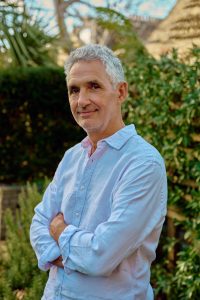
Professor Tim Spector
TIM SPECTOR, MD, is Professor of Epidemiology at King’s College London and one of the world’s leading scientists. He is the bestselling author of The Diet Myth, Spoon-Fed, Food for Life, The Food for Life Cookbook and Ferment, and scientific co-founder of ZOE, the gut health company. A pioneer of microbiome research, he is among the top 100 most cited scientists in the world and was awarded an OBE for his contributions during the COVID-19 pandemic. His Channel 4 documentary series What Not to Eat (January 2026) achieved record viewing figures with more TV to come.
Here are a couple of recipes to tempt you to buy a copy:
Cheesy Seeded Scones
“These are lovely with a spoonful of kimchi scooped on top or served with any of the pâtés (page 226). They are best frozen the day or day after you make them. To defrost, simply remove from the freezer the night before and leave at room temperature. To serve warm, heat in a toaster or warm oven, or blast in a microwave for 15–20 seconds.”
PREP: 15 minutes COOK: 15 minutes MAKES: 12 scones
85g mix of hazelnuts, pecan nuts, walnuts
210g wholemeal rye flour, plus extra for dusting
80g mixed seeds
¾ tbsp bicarbonate of soda
1 tsp salt
100g Cheddar cheese
250ml kefir
2 eggs
2 tbsp milk
TOP-UP
A handful of roughly chopped nuts for added texture
SWAPS
Wholemeal or buckwheat flour for rye flour
Greek yoghurt for kefir
1. Preheat the oven to 200°C/180°C fan/400°F/gas 6 and line a large baking tray with baking parchment.
2. Put the nuts into a food processor and blitz until very fine. Transfer to a large bowl with the rye flour, mixed seeds, bicarbonate of soda, salt and three-quarters of the Cheddar cheese.
3. Whisk the kefir with one of the eggs and add to the dry ingredients. Gently mix everything together using a wooden spoon or spatula – be gentle with the mixture as overworking it will result in a tough dough.
4. Tip out onto a floured surface, knead gently to bring the dough together (flour your hands if necessary) and roll out to a thickness of 2.5cm. It will be slightly sticky – this is normal.
5. Use a 5cm round cutter to cut out 12 scones and transfer them to the prepared baking tray. Whisk the remaining egg with the milk and use a pastry brush to brush the tops of the scones with the egg wash. Then scatter the remaining Cheddar cheese over the tops.
6. Bake for 15 minutes, then cool on a wire rack. Keep a few to eat over the next couple of days and freeze the rest in batches.
Mushroom and Hispi Cabbage Pappardelle
“Here the rich and intensely flavoured sauce is made using dried mushrooms, their stock, silken tofu and miso. Hispi cabbage is shredded to resemble the pappardelle, which adds another layer of flavour as well as increasing the plant and fibre count of this recipe.|”
PREP: 8 minutes COOK: 15 minutes SERVES: 4
20g dried mushrooms
3 tbsp extra virgin olive oil
600g portobello or chestnut mushrooms
4 sprigs of thyme, leaves picked
3 garlic cloves, finely chopped
100g silken tofu
1 tbsp miso
130g pappardelle pasta
1 hispi cabbage, leaves picked and shredded to resemble pappardelle
Salt and black pepper
TOP-UPS
Chopped nuts or seeds
Chopped parsley
Parmesan cheese, to serve
SWAPS
Any pasta for pappardelle
Savoy cabbage for hispi
1. Cover the dried mushrooms with 120ml of boiling water and set aside to rehydrate.
2. Heat the olive oil in a large non-stick frying pan over a high heat and sauté the fresh mushrooms and thyme for 10–12 minutes. They will release a lot of liquid while cooking – keep cooking until the liquid has evaporated and the mushrooms are soft and starting to turn golden. Add the garlic and cook for 1 minute longer.
3. Place the tofu and miso into a bowl and add the rehydrated mushrooms, then gently pour in the soaking liquid, taking care to leave behind any grit from the mushrooms. Use a hand-held blender to blitz until smooth. Season with salt and pepper, and stir into the mushrooms. Then remove from the heat.
4. Bring a large saucepan of salted water to the boil and cook the pasta for 7 minutes. Add the hispi cabbage, bring the water back to the boil and simmer for 1 minute longer. Drain, reserving the cooking liquid.
5. Put the mushrooms back over a low heat and add the pasta and hispi cabbage along with 8–10 tablespoons of the cooking liquid. Stir until everything is heated through and the sauce is creamy and coating the pappardelle. Serve immediately.
Extracted from Good Mood Food by Tim Spector (Jonathan Cape, £30). All photography by Issy Croker.

