


Living where we do, we are spoilt for choice when it comes to staying active. Whether it is a brisk morning walk along the towpath, a weekend loop of Bushy or Richmond Park, or a midweek Pilates class, movement is woven into the fabric of an active life. Yet a new nationwide study suggests that across the UK, our collective fitness habits are quietly slipping—and everyday aches and pains are largely to blame.
According to Are Brits Fit For Purpose?, the Autumn 2026 report from warming and cooling muscle and joint care specialists Deep Heat and Deep Freeze, Britain is experiencing a worrying two-tier exercise trend. While a dedicated 23% of adults still exercise every day, the proportion of people working out two to three times a week has fallen sharply from 50% in 2025 to 42% in 2026. Even more concerning, those who rarely or never exercise have jumped from 14% to 23%.

Unsurprisingly, confidence in our physical condition is dipping too. Just 40% of adults now describe their fitness as good, down from 46% last year, while more than three-quarters (77%) admit they know they should be doing more.

The Hidden Barrier: Everyday Pain
So, what is stopping us from lacing up our trainers? The Deep Heat and Deep Freeze Wellness Tracker points to one major culprit: physical discomfort. An overwhelming 78% of Brits say they have been burdened by pain at some point, with back pain topping the list at 44%, followed by neck and shoulder pain (32%), knee pain (24%), leg pain (18%), and generalised aches and pains (16%).
Crucially, this isn’t simply a side effect of getting older. Muscle pain affects every generation, reported by 65% of 25- to 34-year-olds, 57% of 35- to 54-year-olds, and 66% of both the youngest and oldest adults surveyed.
“Discomfort and aches can be a normal part of an active lifestyle, but they shouldn’t automatically mean you have to stop moving,” explains Clara Kervyn, physiotherapist, Pilates and musculoskeletal specialist, and advocate for Deep Heat and Deep Freeze. “It’s vital that Brits find ways to manage discomfort as movement is so important for overall health.”
How Britain Moves Now
Physical discomfort is also reshaping the workouts we choose. Those experiencing the highest rates of generalised aches are gravitating toward gentler, low-impact disciplines, with 25% turning to yoga, Pilates, or tai chi, and 22% choosing swimming.
Across all active Brits, walking remains the nation’s favourite way to move at 71%. Yet while 64% of adults track their daily steps, only 8% regularly hit the recommended 10,000-step mark. Meanwhile, several higher-intensity pursuits have lost ground: cycling has dropped to 13% (down from 20% in 2022 and 2023), weight training has dipped from 19% in 2025 to 11%, and HIIT has fallen from 9% in 2023 to just 2%. Elsewhere, 26% run regularly, 16% swim, and 6% enjoy a game of tennis.
Physiotherapist Sammy Margo, also an advocate for Deep Heat and Deep Freeze, stresses that consistency doesn’t require punishing gym sessions. “Finding activities you enjoy and building them into your everyday routine can make it easier to stay consistent,” she says. “Walking, for example, is a simple way to move as it requires no equipment, and many of us may be able to swap short car journeys for a walk or include short bursts of walking throughout the day.”

Why Age Is No Barrier
The report also highlights a generational divide. While 24% of over-55s exercise daily, 20% never do—compared with just 7% of 18- to 24-year-olds who never engage in formal activity (alongside 19% who work out daily). As Clara Kervyn notes, staying active becomes even more vital as we age to counter sarcopenia—natural age-related muscle loss linked to falls, fractures, and reduced quality of life. Large-scale meta-analysis research reinforces just how much it matters: being consistently active cuts the risk of early death by up to 40%, while simply increasing your activity levels reduces it by up to 25%.
Smart Recovery for Comfortable Movement
For Elyn Marwick—personal trainer, functional fitness specialist, and international competitor—the secret to longevity lies in proactive muscle care. “Pain should not be viewed as a reason to stop moving, or a barrier to activity; in most cases, the opposite is true,” she says. “Finding routines you enjoy which keep you active in a way that is appropriate for your body, fitness level and goals is one of the most effective ways to support long-term musculoskeletal health and overall wellbeing. Evidence-based warming and cooling therapies, such as the Deep Heat and Deep Freeze range, can play an important supporting role.”
Currently, 48% of Brits reach for oral painkillers and 48% opt to rest when pain strikes, while 31% use warming therapies and 14% turn to cooling relief. Used wisely, topical heat boosts circulation to relax tight, stiff muscles before or after activity, while cooling gels and sprays deliver fast, targeted relief for post-workout flare-ups and minor strains.

For those looking to upgrade their kit bag, the latest Deep Heat line-up offers tailored options for every routine:
-
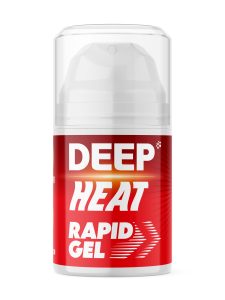
- NEW Deep Heat Rapid Gel starts working in just 60 seconds, using Vanillyl butyl ether (VBE) to gently warm muscles, boost circulation, and ease stiffness from sport or long hours at a desk.
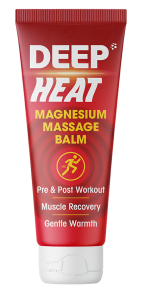
- New Deep Heat Magnesium Massage Balm blends magnesium, traditional arnica, and VBE to activate skin thermoreceptors (TRPV1), creating a mild, controlled warmth ideal for warm-ups and post-exercise recovery.
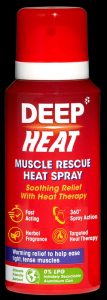
- Deep Heat Muscle Rescue Heat Spray delivers targeted warming relief via VBE using eco-friendly Bag-on-Valve technology—eliminating ozone-depleting Liquified Petroleum Gas (LPG) while producing an even, fine mist for effortless application anywhere.
Paired with Deep Freeze cooling sprays and gels for post-exercise recovery, looking after tired muscles could be the simplest way to keep enjoying every riverside stride, cycle, and stretch all year round.